Lactuca Serriola Discoveries: Practical Ways Prickly Lettuce Fits Into Everyday Wellness and Living

Many people walk past spiky green plants in their yards or along sidewalks and assume they are useless weeds, pulling them out without a second thought. Over time, this habit can feel wasteful, especially as grocery prices rise and interest in natural, food-based wellness keeps growing. There is a gentler solution hiding in plain sight, and by the end of this guide, you will discover one surprisingly simple way most people overlook when using prickly lettuce at home.
What Is Lactuca Serriola?
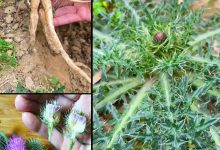
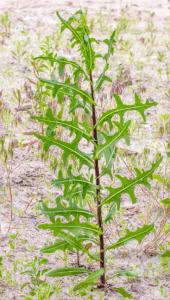
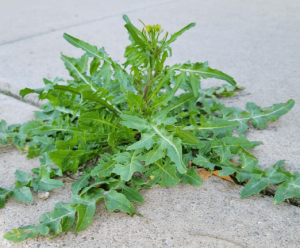
Lactuca serriola, often called prickly lettuce or wild lettuce, is a tall, hardy plant commonly found in disturbed soils, roadsides, gardens, and backyards. It belongs to the same plant family as cultivated lettuce, which explains its familiar leaf shape and milky sap.


But here is the interesting part: while it looks ordinary, this plant has been used traditionally as both a food source and a supportive herb in many cultures. Research and historical records suggest it contains plant compounds that interact gently with the body’s natural systems.
Why Prickly Lettuce Is Often Misunderstood
At first glance, prickly lettuce does not look inviting. Its spiny leaf edges and bitter taste in mature leaves cause many people to avoid it altogether.
But the truth is, bitterness in plants often signals the presence of beneficial phytochemicals. Many leafy greens prized today, such as arugula and dandelion greens, were once dismissed for similar reasons.
Prickly lettuce stands out because it:
- Grows without fertilizers or special care
- Survives drought and poor soil
- Produces edible leaves and usable sap
This resilience is part of what makes it appealing for people interested in sustainable, low-cost living.
Nutritional Highlights You Might Not Expect
Although prickly lettuce is not as nutrient-dense as some cultivated greens, it still provides meaningful nutritional value when consumed as part of a varied diet.
Research on leafy greens in general shows they often supply:
- Vitamin A, which supports normal vision and immune function
- Vitamin C, known for its antioxidant role
- Vitamin K, important for normal blood clotting
- Minerals such as potassium and calcium
Young prickly lettuce leaves are milder in taste and easier to incorporate into meals, making them the best choice for regular consumption.
Traditional Uses and Modern Curiosity
For centuries, wild lettuce species have appeared in folk traditions across Europe, the Middle East, and parts of Asia. Historical texts describe their use in calming teas and preparations designed to support relaxation.
Here is the most interesting part: modern interest in prickly lettuce has returned not because of bold claims, but because people are seeking gentler, food-based habits that align with everyday wellness routines.
Plant researchers note that the milky sap contains bitter compounds that may influence the nervous system in subtle ways. However, these effects vary widely by individual and preparation method.
Supporting Relaxation in Gentle Ways
Many people today struggle with daily tension, overstimulation from screens, and difficulty winding down at night. Lifestyle habits play a central role in this experience.
Some traditional users prepared prickly lettuce leaves as a mild herbal tea, often consumed in the evening as part of a calming routine. This approach emphasizes ritual and consistency rather than intensity.
Important reminders:
- Effects are mild and not guaranteed
- Overuse may lead to drowsiness
- Individual responses vary
This makes prickly lettuce better suited as a lifestyle herb rather than a solution-focused remedy.
Digestive Comfort and Bitter Greens
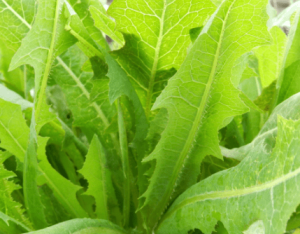
Bitter greens have long been valued in food traditions for their role in supporting digestion. The mild bitterness of prickly lettuce may stimulate saliva and digestive enzyme activity when eaten in small amounts.
People who include bitter foods often report:
- Feeling less heavy after meals
- Improved appetite awareness
- More balanced eating patterns
Cooking older leaves reduces bitterness and makes them easier to digest, which is why many cultures prepare wild greens with heat rather than eating them raw.
Antioxidants and Everyday Cell Support
Like many wild plants, prickly lettuce contains naturally occurring antioxidants. These compounds help neutralize free radicals produced during normal metabolism and environmental exposure.
Research consistently shows that diets rich in varied plant foods are associated with:
- Healthier aging patterns
- Reduced oxidative stress
- Improved overall resilience
While prickly lettuce alone is not a solution, it can complement other vegetables in a diverse diet.
Is Prickly Lettuce Safe to Eat?
Safety always comes first when working with wild plants. Prickly lettuce is generally considered edible when properly identified and used in moderation.
Key safety guidelines include:
- Correct identification is essential
- Avoid plants growing near heavy traffic or polluted areas
- Start with small amounts
- Avoid use during pregnancy or when taking sedative medications
The milky sap can irritate skin in sensitive individuals, so gloves are recommended during harvesting.
How to Harvest Prickly Lettuce Responsibly
Harvesting prickly lettuce does not require special tools, but timing matters.
Step-by-step approach:
- Identify young plants with softer leaves
- Wear gloves to avoid irritation
- Harvest leaves early in the day
- Rinse thoroughly with clean water
- Use immediately or store refrigerated for up to one week
Leaving some plants untouched helps support pollinators and natural reseeding.
Simple Ways to Use Prickly Lettuce at Home
You do not need complex recipes to enjoy this plant. Start simple and adjust based on taste and tolerance.
Easy preparation ideas:
- Fresh greens: Mix young leaves with olive oil and lemon
- Cooked greens: Sauté older leaves with garlic and onions
- Herbal tea: Steep dried leaves in hot water for 10 minutes
Drying leaves for tea allows longer storage and milder flavor.
Environmental Benefits You Might Overlook
Beyond personal use, prickly lettuce contributes to healthier ecosystems.
Its deep roots help:
- Stabilize disturbed soil
- Reduce erosion
- Support insects and pollinators
Allowing some wild plants to grow naturally can improve local biodiversity without extra effort.
Why This Plant Is Gaining Attention Again
The renewed interest in prickly lettuce reflects a broader shift toward sustainable living and traditional food knowledge. People are becoming more curious about what grows naturally around them and how it fits into modern lifestyles.
The real value of prickly lettuce lies not in bold promises, but in its accessibility, resilience, and versatility.
Conclusion
Prickly lettuce is more than a weed hiding in plain sight. It offers nutritional variety, historical interest, environmental value, and practical uses that fit naturally into everyday life. By learning how to identify, prepare, and respect this plant, you gain access to a resource that costs nothing and asks very little in return.
And that overlooked secret mentioned earlier? Most people focus only on eating the leaves, but simply allowing prickly lettuce to coexist in your yard may be one of the easiest ways to support local soil health and biodiversity at the same time.
Frequently Asked Questions
Is prickly lettuce the same as regular lettuce?
It belongs to the same family but is a wild relative with a stronger taste and tougher texture.
Can prickly lettuce be eaten raw?
Yes, young leaves can be eaten raw, while older leaves are best cooked to reduce bitterness.
How often can prickly lettuce be used?
Occasional use as part of a varied diet is generally preferred rather than daily consumption.
Medical Disclaimer
This article is for informational purposes only and does not replace professional medical advice. Always consult a qualified healthcare provider before making dietary or lifestyle changes, especially if you have underlying health conditions or take medications.