Hand Reflexology Map: Your Hand as a Mini Map for Daily Relaxation and Well-Being
In our fast-paced world, daily stress builds up quietly, leaving many feeling tense, fatigued, or simply out of balance. This constant low-level pressure can make even small tasks feel overwhelming and sap your energy over time. Hand reflexology offers a simple, accessible way to incorporate gentle self-care into your routine, using your own hands as a tool for promoting relaxation and supporting overall comfort.
What if a quick session on your palm could help you unwind right where you are—without any special equipment? In this guide, you’ll discover the fascinating hand reflexology map, how different areas link to body systems, and easy steps to try it yourself for everyday well-being.


What Is Hand Reflexology?
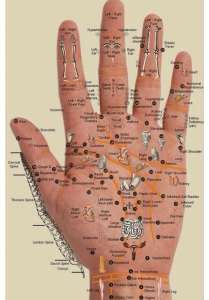
Hand reflexology is a gentle practice rooted in traditional wellness approaches. It views the hand as a micro-map of the entire body, where specific zones on the palm, fingers, and wrist correspond to various organs, glands, and systems.
By applying mild pressure to these areas, many people experience a sense of calm and ease. Unlike more intensive therapies, hand reflexology is non-invasive and convenient—you can do it almost anywhere, from your desk to your couch.
Research in complementary wellness suggests that practices like reflexology may support relaxation and stress management. For instance, small studies have noted reduced feelings of tension in participants receiving hand or foot reflexology sessions.
But that’s just the start—let’s explore the map that makes this possible.
Understanding the Hand Reflexology Map
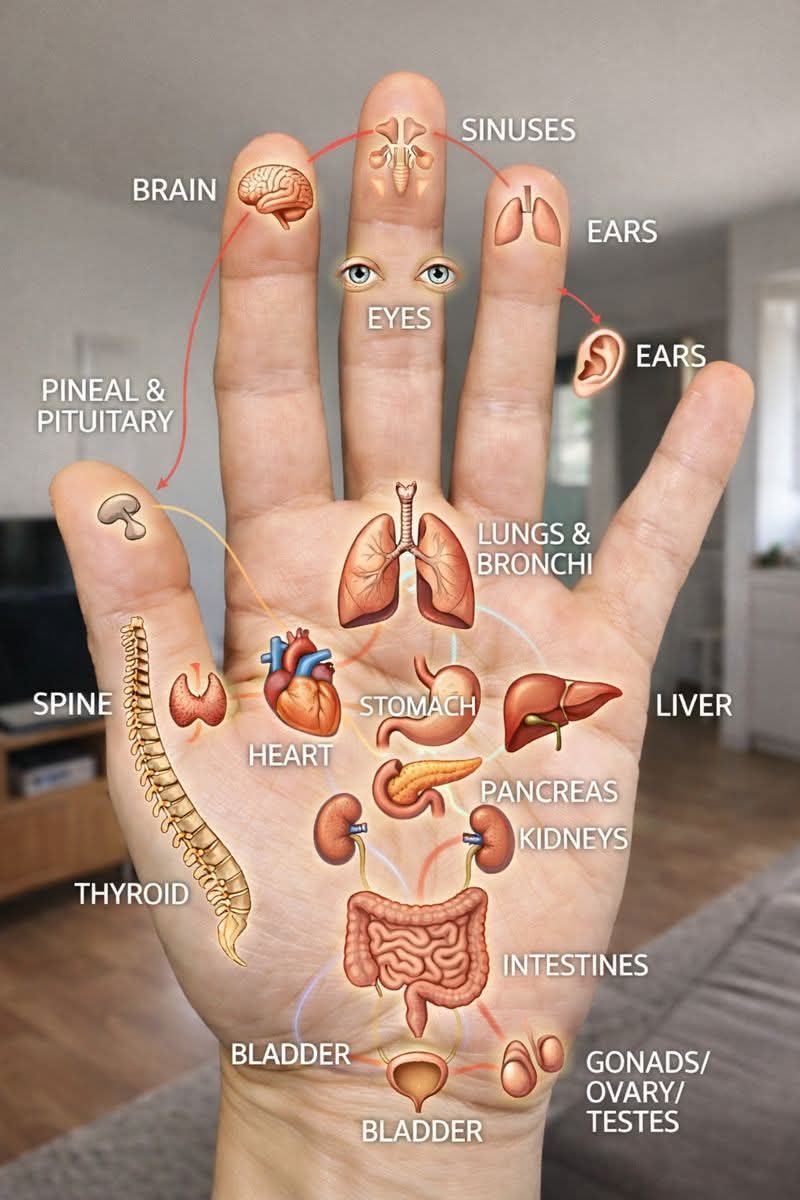
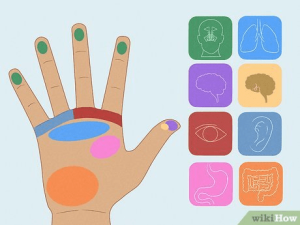
The hand reflexology chart acts like a blueprint. Fingers often link to the head and neck, the central palm to core organs, and the lower palm or wrist to lower body areas. While charts vary slightly between traditions, common correspondences include:
- Fingertips: Connected to the head, brain, sinuses, eyes, and ears. The tips of the fingers relate to upper head areas, while bases may tie into neck and shoulders.
- Thumb: Often associated with the spine, neck, and head—pressing along the thumb’s edge can target back-related comfort.
- Upper palm (base of fingers): Links to chest, lungs, heart, and shoulders. This zone supports respiratory and circulatory relaxation.
- Central palm: Corresponds to digestive organs like the stomach, liver, pancreas, and solar plexus (a key spot for overall calm).
- Lower palm and wrist: Relates to intestines, kidneys, bladder, and reproductive areas.
Many charts show bilateral symmetry, but some organs (like the liver on the right or spleen on the left) appear primarily on one hand.
Here’s a quick reference list of common zones:
- Head and brain — Fingertips and upper thumb
- Eyes and ears — Pointer/middle fingers (eyes), ring/pinky (ears)
- Sinuses and neck — Upper fingers and thumb base
- Lungs and bronchi — Upper palm near base of fingers
- Heart — Central-upper palm
- Stomach and pancreas — Middle palm
- Liver and gallbladder — Right palm central area
- Kidneys and adrenals — Mid-lower palm
- Intestines and colon — Lower palm
- Spine — Thumb edge down to wrist
- Gonads/ovaries/testes — Lower wrist area
This layout helps you target areas intuitively. But the real value comes from how it feels in practice.
Why People Turn to Hand Reflexology for Daily Support
Many incorporate hand reflexology into their routines because it’s discreet and effective for promoting a relaxed state. Studies exploring complementary therapies have found that gentle pressure techniques can contribute to lower perceived stress and improved mood.
One small study involving participants facing medical procedures noted reduced anxiety after hand reflexology compared to controls. Other research highlights benefits for general relaxation, which can indirectly support better sleep and energy levels.
The appeal is clear: in minutes, you can create a moment of peace amid chaos.
But how do you actually get started?
Simple Steps to Try Hand Reflexology at Home
You don’t need to be an expert. Follow these actionable tips for a basic self-session focused on relaxation.
- Prepare your space: Find a quiet spot. Sit comfortably, perhaps with soft lighting. Apply a bit of lotion or oil to your hands for smoother movement (optional).
- Warm up: Rub your palms together briskly for 20-30 seconds to increase circulation and warmth.
- Start with breathing: Take 5 deep breaths—inhale for 4 counts, exhale for 6—to settle in.
- Apply gentle pressure: Use your opposite thumb or fingers. Press firmly but comfortably (no pain) for 30-60 seconds per point, then release and massage lightly.
- For overall calm: Press the solar plexus point (center of palm, just below middle finger base). Hold and breathe deeply.
- For head tension: Gently squeeze and roll each fingertip.
- For digestive ease: Circle the central palm area clockwise.
- For spine support: Slide thumb along the outer thumb edge from tip to wrist.
- Finish gently: End with light strokes over the entire hand, then switch hands. Drink water afterward to stay hydrated.
Aim for 5-10 minutes per hand, 2-3 times a week—or whenever you feel the need to unwind.
Here’s a quick bullet list of beginner-friendly points:
- Solar plexus (central palm): Promotes deep relaxation.
- Heart 7 (inner wrist crease, pinky side): Supports emotional calm.
- Large Intestine 4 (webbing between thumb and index finger): General comfort spot (avoid if pregnant).
- Pericardium 6 (inner forearm, three finger-widths from wrist): Helps with tension.
Remember, consistency matters more than intensity—gentle, regular use often feels most rewarding.
What the Science Says About Reflexology
While hand reflexology isn’t a medical treatment, emerging evidence from reviews and small trials points to its role in relaxation. A collection of studies on reflexology noted improvements in well-being and stress management. Some research links it to lower anxiety before procedures or better handling of daily fatigue.
Experts emphasize that benefits often stem from the relaxation response—similar to other touch-based practices—that helps the body shift into rest mode.
Of course, results vary, and more large-scale research is needed. But for many, the simple act of mindful touch brings noticeable calm.
Common Questions About Hand Reflexology (FAQ)
Is hand reflexology safe for everyone?
Generally yes—it’s gentle and low-risk. However, consult a healthcare provider first if you have hand injuries, skin conditions, or are pregnant.
How often should I do hand reflexology?
Start with short sessions a few times a week. Many find daily 5-minute routines helpful for ongoing relaxation.
Can I use hand reflexology alongside other wellness habits?
Absolutely. It pairs well with deep breathing, stretching, or light exercise for enhanced calm.
Final Thoughts
Your hands are always with you—making hand reflexology one of the most practical ways to invite relaxation into your day. By exploring this simple map and trying gentle pressure on key zones, you may discover a new tool for feeling more centered and at ease.
Give it a try tonight. You might be surprised how much a few minutes on your palm can shift your mood.
Disclaimer: Hand reflexology is a complementary practice for relaxation and general well-being. It is not intended to diagnose, treat, cure, or prevent any medical condition. Always consult a qualified healthcare professional for health concerns or before starting new practices, especially if you have existing medical issues.