What Are the Top 10 Natural Methods to Help Keep Mice and Rats Away from Your Home?
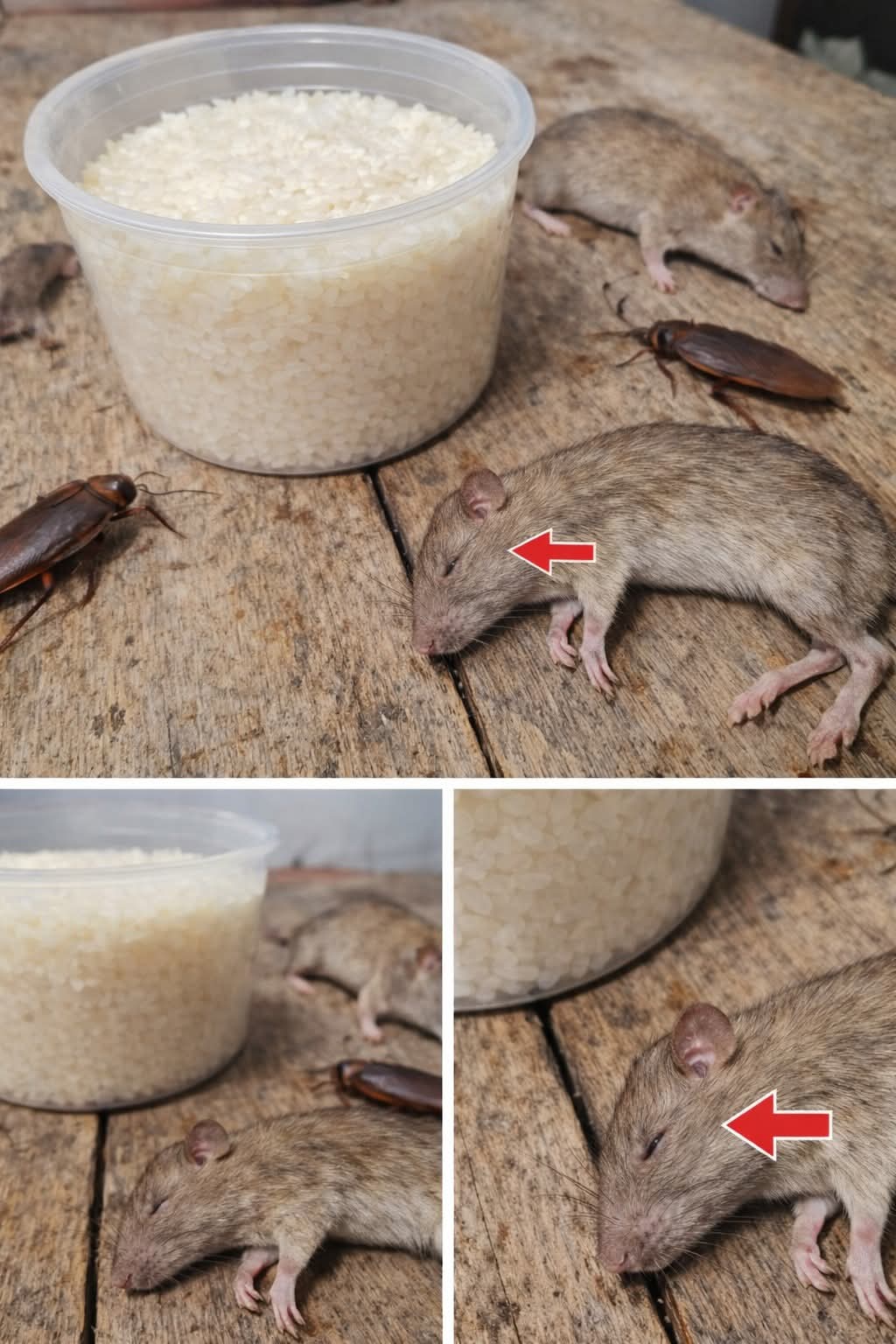
Discovering droppings in your pantry or hearing tiny scratches in the walls at night can make any homeowner feel uneasy and invaded. These small intruders not only damage wiring and contaminate food but also carry health risks that disrupt your peace of mind, turning a cozy space into a source of constant worry. The good news is you don’t have to rely solely on harsh chemicals—many people find relief using simple, everyday natural items that may make your home less inviting to rodents. And here’s something exciting: one unexpected layered combination could surprise you with how well it works—keep reading to discover it toward the end.
Why Rodents Enter Homes and How Natural Approaches Can Help
Mice and rats seek food, water, and warmth, especially during cooler months. Their extraordinary sense of smell guides them straight to crumbs, open trash, or pet food.




The American Housing Survey reports millions of U.S. households deal with rodent sightings annually, so you’re far from alone. Small gaps around pipes, doors, or foundations become highways into your living space.
Natural methods work primarily by overwhelming that sensitive nose or creating physical obstacles. While results vary, many studies and user experiences suggest certain strong scents can encourage rodents to look elsewhere. The real power comes from combining scents with good hygiene and sealing—more on that powerful combo soon.
But that’s not all… rotating scents prevents rodents from getting used to any one smell.
Method 1: Peppermint Oil
The cool, intense menthol in peppermint oil is often cited as unpleasant for rodents.
Homeowners love it because it leaves rooms smelling fresh while potentially discouraging pests.
Simple way to use it:
- Add 10–15 drops of pure peppermint essential oil to 1 cup of water in a spray bottle.
- Shake well and spray along baseboards, doorways, and corners.
- Reapply every few days as the scent fades.
Limited lab studies and plenty of real-world reports suggest the strong aroma may interfere with rodents’ ability to navigate.
Method 2: Cayenne Pepper or Other Spicy Options
Capsaicin—the compound that makes peppers hot—can irritate sensitive rodent noses and mouths.
Research on farms has shown capsaicin-based repellents reduce rodent feeding activity.
Easy applications:
- Lightly sprinkle cayenne powder along walls or near suspected entry points.
- Mix 1 tablespoon cayenne, 1 quart water, and a drop of dish soap for a spray.
- Use gloves and keep away from children and pets.
Here’s a quick comparison of spicy deterrents:
| Deterrent | Active Compound | Common Use | Reapply Frequency |
|---|---|---|---|
| Cayenne Pepper | Capsaicin | Sprinkle or spray | Weekly |
| Chili Powder | Capsaicin | Barriers around food areas | Weekly |
| Hot Sauce | Capsaicin | Soaked cotton balls | Every few days |
The heat is on—let’s move to the next strong scent.
Method 3: Whole Cloves
Cloves contain eugenol, a potent oil with a spicy aroma many rodents appear to avoid.
How to use:
- Place whole cloves in small mesh bags or sachets inside drawers and cabinets.
- Soak cotton balls in clove essential oil and tuck them in corners.
This works especially well in enclosed spaces like pantries.
Method 4: Fresh Onion Slices
The sulfur compounds released by cut onions create a sharp odor rodents tend to dislike.
Budget-friendly steps:
- Slice an onion and place pieces near entry points or problem areas.
- Replace every 2–3 days as the slices dry out.
The strong smell may temporarily overpower food scents that attract rodents.
Method 5: Garlic
Garlic’s allicin produces a similar pungent sulfur scent.
Options to try:
- Crush several cloves and scatter in affected areas.
- Boil garlic in water, strain, cool, and use as a spray.
This can help mask existing scent trails.
You’re halfway through—here come five more practical ideas.
Method 6: White Vinegar
Acetic acid gives vinegar its sharp tang that rodents often steer clear of.
Easy methods:
- Soak cotton balls in undiluted vinegar and place near entryways.
- Mix equal parts vinegar and water for wiping surfaces and removing scent trails.
Refresh regularly for best effect.
Method 7: Bay Leaves
Bay leaves release a distinctive herbal aroma over time.
Simple placement:
- Scatter whole dried leaves along baseboards or inside cabinets.
- Tuck a few into food storage containers.
Gentle yet persistent.
Method 8: Ammonia (Used Carefully)
Ammonia’s sharp smell can mimic predator urine. Use sparingly and only in well-ventilated areas.
Safe approach:
- Dilute household ammonia with water (1:1 ratio).
- Soak rags or cotton balls and place out of reach of children and pets.
Best as a supporting method, not primary.
Method 9: Cedar Chips or Blocks
Cedar’s natural oils give off a woody scent many rodents find off-putting.
How to deploy:
- Spread cedar chips in attics, garages, or around the foundation.
- Place cedar blocks in closets or storage boxes.
Gradual release makes this low-maintenance.
Method 10: Steel Wool Physical Barriers
Not a scent, but one of the most reliable natural defenses—rodents struggle to chew through steel wool.
Steps:
- Stuff coarse-grade steel wool tightly into any gaps or holes.
- Seal over the steel wool with caulk for a permanent fix.
Combine with any of the scents above for layered protection.
Here’s the insider tip you’ve been waiting for: pairing intense scents (like peppermint + cayenne) with unbreakable steel wool barriers creates a powerful multi-layer defense many homeowners report as highly effective.
Actionable Tips to Maximize Results
Consistency and layering turn individual methods into a solid plan.
Step-by-step guide you can start today:
- Walk around your home and seal gaps larger than ¼ inch with steel wool and caulk.
- Store all food (including pet food) in airtight glass or metal containers.
- Clean crumbs and spills immediately; take trash out nightly.
- Refresh scent deterrents weekly and rotate between 2–3 different ones every month.
- Trim vegetation and remove debris piles around the exterior
Quick reference table:
| Tip | Why It Helps | Suggested Frequency |
|---|---|---|
| Seal entry points | Blocks physical access | One-time + yearly check |
| Multiple rotating scents | Prevents adaptation | Rotate monthly |
| Daily cleaning | Removes food attraction | Daily/weekly |
| Outdoor maintenance | Reduces hiding spots outside | Seasonal |
Small habits add up to big peace of mind.
Conclusion
Rodents can be persistent, but these 10 natural methods—especially when rotated and combined with sealing and cleanliness—offer many households a gentler, chemical-free starting point. Begin with the items you already have in your kitchen, observe what works best in your space, and layer additional steps as needed. The standout combination? Strong scents like peppermint and cayenne together with steel wool barriers.
If signs continue, consulting a licensed pest professional is the safest next step.
Frequently Asked Questions
1. How quickly might I notice results with natural deterrents?
Most people see reduced activity within days to a couple of weeks when methods are combined with sealing and cleaning.
2. Are these natural options safe around pets and children?
Many are food-grade and gentle, but keep essential oils, ammonia, and spicy substances out of reach. Steel wool and basic hygiene are the safest choices in family areas.
3. Will rodents eventually get used to the scents?
Yes, adaptation is possible, which is why rotating scents and refreshing applications regularly helps maintain effectiveness.
Disclaimer: This article is for informational purposes only and is not professional pest-control advice. Results vary, and natural methods may not eliminate established infestations. For persistent issues, contact a licensed pest management professional. Always prioritize safety when using any substances around children, pets, or food areas.