11 Powerful Foods That May Support Your Liver’s Natural Detox and Health
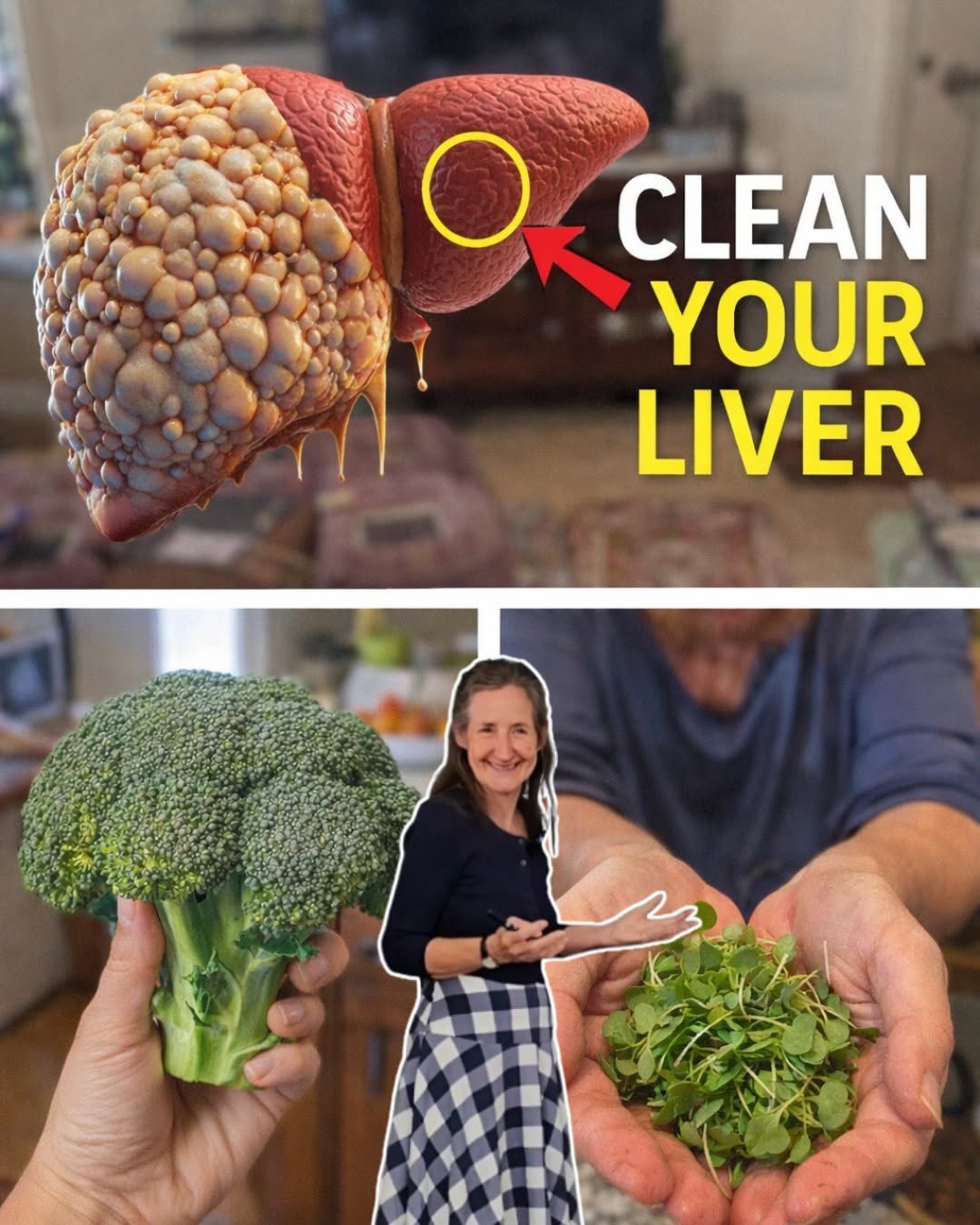
In today’s fast-paced world, many adults feel occasional fatigue, bloating, or low energy without realizing their liver might be working overtime. Modern habits like processed foods, stress, and limited movement can quietly challenge this vital organ’s ability to filter toxins and process nutrients. The good news? Emerging research suggests certain everyday foods may help support your liver’s natural detoxification pathways and overall function.
What if simple additions to your meals could make a noticeable difference? Keep reading to discover 11 accessible, science-backed foods—and a few practical ways to enjoy them.

Why Liver Health Matters More Than You Might Think
Your liver works around the clock. It filters blood, neutralizes harmful substances, stores energy, and even regenerates itself when supported properly.
When daily exposures add up, though, its efficiency can slow. Studies show that up to one in three American adults may have excess fat buildup in the liver, often without obvious signs at first.
Feeling sluggish after meals? Notice skin changes or inconsistent energy? These subtle signals sometimes point to the liver needing a little extra nutritional support.
The best part: You don’t need extreme cleanses. Research points to nutrient-dense whole foods that may help reduce inflammation, boost antioxidant defenses, and promote healthy liver enzyme function.
Ready to explore them one by one?
How These Foods May Help
Scientists continue to study how specific compounds in foods interact with liver cells. For example:
- Some provide antioxidants that combat oxidative stress
- Others supply sulfur compounds that support detoxification enzymes
- A few offer healthy fats that aid bile flow and fat transport
Let’s dive into the list, starting with a golden favorite.
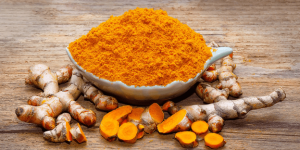
11. Turmeric – The Bright Anti-Inflammatory Spice
Turmeric contains curcumin, a compound widely researched for its anti-inflammatory properties.
Studies suggest curcumin may help protect liver cells from oxidative damage and support healthy inflammatory responses.
Easy way to add it: Stir ½ teaspoon into warm milk with a pinch of black pepper (which boosts absorption) for a soothing golden latte.
10. Garlic and Other Allium Vegetables
Garlic, onions, leeks, and shallots are rich in sulfur-containing compounds.
Research indicates these compounds may stimulate phase II detoxification enzymes, helping the liver process and eliminate toxins more efficiently.
Tip: Crush or chop garlic and let it sit 10 minutes before cooking to maximize beneficial compounds.
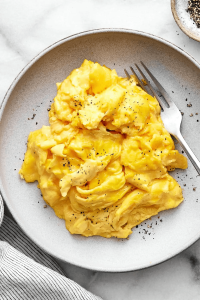
9. Eggs (Preferably Pasture-Raised)
Eggs are one of the best natural sources of choline, a nutrient essential for fat transport out of the liver.
Population studies link adequate choline intake with lower risk of fatty liver buildup.
Simple idea: Enjoy one or two soft-boiled eggs with breakfast a few times a week.
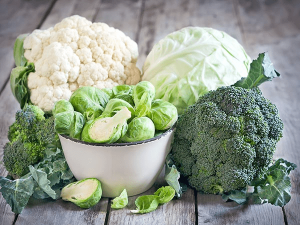
8. Cruciferous Vegetables
Broccoli, cauliflower, Brussels sprouts, and kale contain glucosinolates that break down into sulforaphane.
Lab and human studies show sulforaphane can activate Nrf2 pathways, increasing production of glutathione—a key liver antioxidant.
Quick prep: Lightly steam or roast to preserve nutrients.
. Microgreens (Especially Broccoli Microgreens)
Microgreens deliver concentrated doses of beneficial compounds.
Research from Johns Hopkins found broccoli microgreens can contain up to 100 times more sulforaphane than mature broccoli.
Easy addition: Sprinkle a handful on salads or sandwiches.
6. Green Tea
Rich in catechins, particularly EGCG, green tea has been studied extensively for liver health.
Multiple reviews suggest regular consumption may help reduce liver enzyme levels and support antioxidant defenses.
Suggestion: Replace one daily coffee with unsweetened green tea.
5. Berries
Blueberries, strawberries, raspberries, and blackberries are packed with anthocyanins and other polyphenols.
Clinical trials indicate these antioxidants may help protect liver cells and improve metabolic markers.
Snack idea: Keep frozen berries on hand for quick smoothies.
4. Fermented Foods
Sauerkraut, kimchi, kefir, and plain yogurt provide probiotics that support gut health.
Since the gut and liver are closely connected via the gut-liver axis, a balanced microbiome may reduce the liver’s workload.
Start small: Add a tablespoon of fermented vegetables to meals.
3. Healthy Fats from Whole Foods
Avocados, extra-virgin olive oil, nuts, and seeds supply monounsaturated fats and omega-3s.
These fats help produce bile and transport fats through the liver, potentially easing strain.
Daily habit: Drizzle olive oil on vegetables or add half an avocado to lunch.
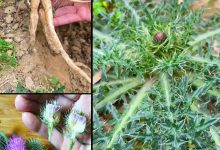
Milk Thistle and Other Protective Herbs
Milk thistle contains silymarin, a flavonoid complex studied for decades.
Clinical research suggests silymarin may support liver cell regeneration and protect against oxidative stress.
Option: Choose a standardized supplement or brew milk thistle tea (consult your doctor first).
1. Bonus Powerhouses: Asparagus and Pomegranate
- Asparagus acts as a natural diuretic and provides glutathione-boosting compounds
- Pomegranate is loaded with ellagic acid and punicalagins, both studied for liver-protective effects
Simple Ways to Combine Them (Synergy Matters)
Here’s a quick reference table:
| Food Group | Key Compound | Easy Daily Use Example | Potential Benefit Supported by Research |
|---|---|---|---|
| Turmeric | Curcumin | Golden milk or curry | Anti-inflammatory pathways |
| Cruciferous veggies | Sulforaphane | Steamed broccoli side | Glutathione production |
| Berries | Anthocyanins | Morning smoothie | Antioxidant protection |
| Green tea | EGCG | Mid-morning cup | Enzyme support |
| Healthy fats | Omega-3s, MUFAs | Olive oil dressing | Bile flow optimization |
A Gentle 30-Day Plan to Get Started
Week 1–2: Pick 3–4 foods from the list and add one serving daily.
Week 3: Increase variety—aim for 6–8 different foods across the week.
Week 4: Notice how you feel and adjust portions to what feels sustainable.
Track simple markers: energy consistency, digestion comfort, morning freshness.
Final Thoughts
Supporting your liver doesn’t require drastic changes. Small, consistent additions of these nutrient-rich foods may help your body’s natural processes work more smoothly.
Many people report feeling more energized and lighter after a few weeks of mindful eating. Your results will depend on your unique lifestyle and overall diet.
Start with one food today—perhaps a cup of green tea or a handful of berries—and build from there
Frequently Asked Questions
1. How long does it take to notice changes in energy or digestion from eating these foods?
Most people notice subtle improvements in 2–4 weeks with consistent intake, though individual results vary.
2. Can I eat all 11 foods every day?
No need—aim for variety across the week. Even 5–7 different ones regularly can provide diverse nutrients.
3. Are there any foods I should limit for better liver support?
Many find reducing added sugars, heavily processed items, and excessive alcohol helps their body respond better to nutritious foods.
This article is for informational purposes only and is not intended to diagnose, treat, cure, or prevent any disease. Always consult your healthcare provider before making significant dietary changes, especially if you have existing health conditions or take medications.