Cocklebur Uncovered: The Surprising Traditional Uses of Xanthium Strumarium
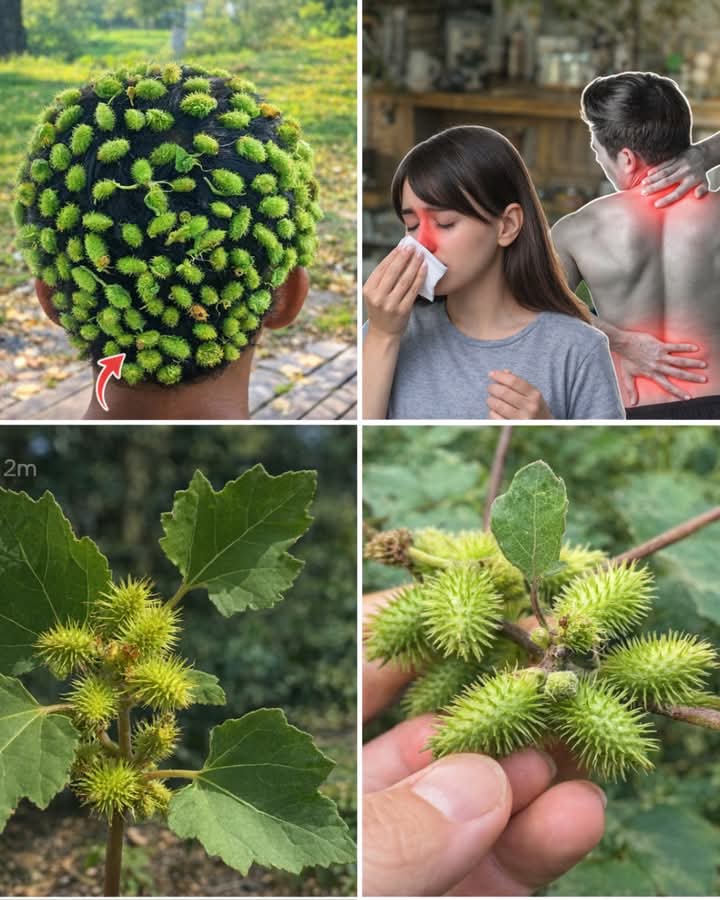
Imagine dealing with persistent nasal congestion that makes every breath a struggle, or facing seasonal allergies that leave you sneezing and uncomfortable day after day. These common issues can disrupt sleep, focus, and overall quality of life, turning simple activities into exhausting challenges. For centuries, traditional herbal systems across Asia, Europe, and the Americas have turned to a seemingly ordinary wild plant—Xanthium strumarium, commonly known as cocklebur—for potential support in managing such discomforts. Often dismissed as just a pesky weed with those clingy burrs, this plant has a rich history in folk medicine. But here’s the intriguing part: emerging research on its natural compounds suggests why it captured the attention of healers long ago—and why it’s worth a closer look today.
What Is Xanthium Strumarium (Cocklebur)?
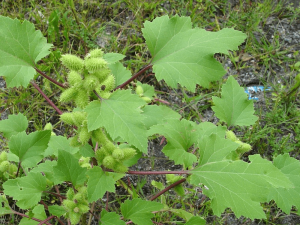
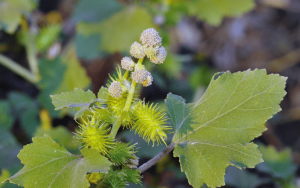
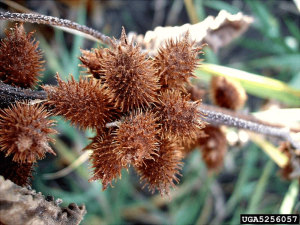
Xanthium strumarium is an annual herb in the Asteraceae family, native to the Americas but now widespread globally. It grows up to 5 feet tall with heart-shaped, toothed leaves and produces distinctive spiky burs that hook onto clothing or animal fur—hence its “cocklebur” nickname.
In traditional Chinese medicine, the fruits (known as Cang Er Zi) have been documented in pharmacopeias for centuries, often prepared after processing to reduce potential risks. Studies highlight over 170 identified compounds, including sesquiterpenoids, flavonoids, lignans, and coumarins, many of which contribute to the plant’s reported properties.
But that’s not all… Modern investigations have explored how these bioactive elements may interact with the body in ways that align with longstanding traditional applications.
Traditional Uses and Emerging Research Insights
Traditional herbal practices have long valued Xanthium strumarium for supporting respiratory comfort, skin health, and general well-being. Here’s a breakdown of some key areas, backed by historical use and preliminary scientific interest:
Respiratory Support: A Traditional Favorite
One of the most prominent traditional applications is for nasal and sinus concerns. In Chinese herbal systems, the fruits are commonly included in formulas for rhinitis, sinusitis, and headaches associated with congestion.
Research suggests certain extracts may exhibit anti-inflammatory effects in lab models, potentially helping reduce swelling in airways. Studies have also noted antioxidant and anti-allergic rhinitis properties in some preparations.
- Clears stuffy nasal passages (traditional use for congestion relief)
- Eases sinus-related discomfort
- Supports seasonal allergy comfort (used to help with sneezing and itchiness)
- Aids overall respiratory wellness
These align with findings from reviews on its pharmacological activities, including suppression of inflammatory pathways like NF-κB in cell studies.
Anti-Inflammatory and Pain Relief Potential
Traditional healers have applied cocklebur for joint stiffness, muscle aches, and inflammatory conditions like rheumatism.
Lab and animal research has shown promising anti-inflammatory and analgesic effects from extracts, with compounds like xanthatin inhibiting key inflammatory markers (e.g., COX-2 and iNOS). One study on arthritis models in rats indicated potential benefits in reducing swelling.
- Soothes joint and muscle discomfort
- Reduces swelling in affected areas
- Supports comfort during rheumatism-like symptoms
Skin and External Applications
Externally, traditional uses include washes or poultices for rashes, itching, insect bites, and minor skin irritations.
Preliminary studies point to antibacterial and antifungal properties in leaf extracts, which may help explain its folk use for skin conditions and wound support.
- Calms irritated or itchy skin
- Helps with minor rashes or bites
- Promotes general skin balance
Other Traditional Applications
- Supports digestion in small amounts (appetite stimulation)
- Aids liver function in herbal systems
- Used for fever or malaria symptoms in some cultures
- Acts as a natural insect deterrent due to its scent
Research has also explored antibacterial activity against pathogens like Staphylococcus aureus, as well as antioxidant effects that may contribute to overall wellness.
Practical Homemade Uses: Simple Traditional Preparations
 Important Safety Reminder: Xanthium strumarium, especially the seeds and young seedlings, contains toxic compounds like carboxyatractyloside, which can cause serious effects including nausea, vomiting, hypoglycemia, and liver damage. Always avoid seeds, use only processed or mature leaves/stems in very small amounts, and consult a qualified healthcare provider or herbalist first. Not suitable for pregnant/breastfeeding individuals, children, or those with liver issues.
Here are some traditional-inspired preparations (for external or limited internal use only, with caution):
- Herbal Infusion for Respiratory Comfort
- Use 1 tsp dried leaves/stems (avoid seeds).
- Steep in 1 cup hot water for 5-10 minutes.
- Strain and sip warm, once daily for short periods (up to 3 days max).
Traditionally used to support nasal airflow.
- Steam Inhalation for Congestion
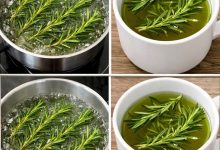
- Boil a handful of fresh leaves/stems in 1 liter water.
- Inhale steam under a towel for 10 minutes.
Helps loosen mucus in traditional practice.
- Poultice for Joint or Muscle Support
- Crush fresh leaves into a paste.
- Apply wrapped in cloth to the area for 20-30 minutes, 1-2 times daily.
Used historically for swelling reduction.
- Skin Wash for Irritation
- Boil a handful of leaves in 1 liter water for 10 minutes.
- Cool and use as a gentle wash on affected skin.
Always perform a patch test for external uses.
Final Thoughts: Respect the Power of This Plant
Xanthium strumarium stands out as a plant with intriguing traditional roots and growing scientific curiosity—particularly for respiratory, inflammatory, and skin support. Its natural compounds offer promising avenues for wellness exploration, but its potential comes with real responsibility due to toxicity risks.
Used thoughtfully and under guidance, this “overlooked weed” may serve as a gentle natural ally. As research continues, it reminds us that nature’s remedies often hold hidden value—when approached with care and respect.
FAQ
Is cocklebur safe for everyone?
No—seeds and young plants are highly toxic. Stick to mature, processed parts in small amounts, and always consult a professional. Avoid if pregnant, breastfeeding, or with health conditions.
Can I use Xanthium strumarium for allergies?
Traditional use suggests support for seasonal discomfort, with some research on anti-allergic properties. It’s not a substitute for medical treatment—discuss with your doctor.
Where can I find reliable sources for cocklebur?
Look for processed herbal products from reputable suppliers following pharmacopeia standards. Never forage without expert identification due to toxicity risks.
Disclaimer: This article is for informational purposes only and not intended as medical advice. The statements here have not been evaluated by the FDA. This product is not intended to diagnose, treat, cure, or prevent any disease. Always consult a qualified healthcare professional before using any herbal remedy, especially if you have health conditions, are taking medications, or are pregnant/breastfeeding. Individual results may vary, and potential risks exist.