Three Vitamins That May Help Maintain Leg Strength and Mobility After 60

Many adults over 60 start noticing their legs feeling heavier during walks, stairs becoming more tiring, or balance not as steady as before. These changes can make everyday activities frustrating and limit the freedom to move confidently. But here’s the encouraging part: research suggests that addressing certain nutrient levels, especially common deficiencies in older adults, may support muscle function, nerve health, and overall lower body strength when combined with healthy habits.
And the most surprising one? It’s a vitamin many seniors overlook, yet studies link low levels to nerve-related issues that directly affect how steadily your legs carry you. Keep reading to discover all three.





Why Leg Strength and Mobility Matter as You Age
Imagine standing up from a chair smoothly or enjoying a leisurely stroll without worry—that simple independence relies on strong leg muscles and reliable nerve signals.
As we age, a natural process called sarcopenia leads to gradual loss of muscle mass and strength. Studies estimate adults can lose 1-3% of muscle mass each year after age 60, contributing to weaker legs and reduced mobility.
This isn’t just about comfort. Reduced lower body strength is linked to higher fall risks, which affect millions of older adults annually.
But nutrition plays a key role. Observational research shows that low levels of specific vitamins are associated with poorer muscle performance and mobility challenges.
The good news? Evidence indicates that maintaining adequate levels of certain vitamins may help support muscle repair, nerve function, and circulation.
Ready to explore the three vitamins backed by studies for potential benefits in adults over 60?
Vitamin #1: Vitamin D – A Foundation for Muscle Support
Picture soaking up safe morning sunlight—your body naturally produces vitamin D, which plays a vital role in muscle health.
Vitamin D helps with muscle protein synthesis and calcium absorption, both essential for strong contractions in your legs.
Low vitamin D levels are common in older adults, especially those with limited sun exposure or indoor lifestyles. Research, including meta-analyses, has linked deficiency to reduced lower extremity strength and higher fall risk.
Some studies show that supplementation in deficient individuals may improve muscle power and performance, particularly when paired with activity. However, results vary, with stronger benefits often seen in those starting with low levels.
Key sources include:
- Sunlight (safe exposure, like 10-30 minutes midday)
- Fatty fish like salmon
- Egg yolks
- Fortified foods (milk, cereals)
Tip: Aim to include salmon twice a week or enjoy fortified options.
But that’s not all—many seniors are deficient without realizing it. A blood test can check your levels.
And the next vitamin targets something entirely different: clear nerve signals to your muscles.

Key Sources at a Glance
Here’s a quick comparison of the three vitamins and their potential roles:
| Vitamin | Common Food Sources | Supplement Form Common | Potential Support for Legs |
|---|---|---|---|
| Vitamin D | Salmon, eggs, fortified milk | D3 (cholecalciferol) | Muscle synthesis and strength support |
| Vitamin B12 | Meat, fish, dairy, fortified cereals | Sublingual or injections | Nerve health, may reduce numbness or weakness |
| Vitamin E | Almonds, spinach, sunflower seeds | Mixed tocopherols | Antioxidant protection, circulation support |
This table highlights natural ways to incorporate them—food first is often best.
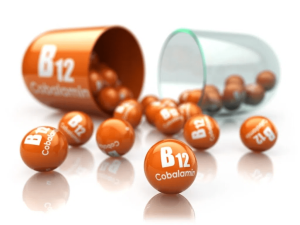
Vitamin #2: Vitamin B12 – Supporting Healthy Nerve Signals
Think of enjoying a fortified breakfast cereal—it’s a simple way to get B12, which helps maintain the protective covering around nerves.
As we age, absorption of B12 can decrease due to changes in stomach acid or medications, making deficiency surprisingly common in seniors.
Low B12 is associated with nerve issues like tingling, numbness in legs, or weakness—symptoms that can affect walking and balance. Studies have connected deficiency to peripheral neuropathy, where correcting levels may ease related discomfort.
Research shows associations between low B12 and poorer sensory/motor nerve function in older adults.
Sources to focus on:
- Animal products (meat, fish, dairy)
- Eggs or yogurt
- Fortified plant-based milks or cereals (great for vegetarians)
Many find sublingual forms easier to absorb.
Here’s a common surprise: even with a balanced diet, absorption challenges mean checking levels is wise for many over 60.
Yet the third vitamin adds another layer—protection against everyday cellular stress.
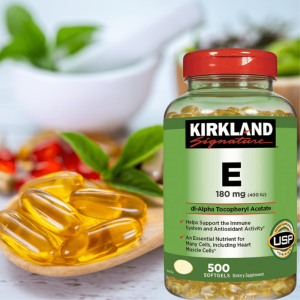
Vitamin #3: Vitamin E – An Antioxidant Ally for Recovery
Imagine snacking on a handful of almonds—their natural vitamin E acts as an antioxidant, helping combat oxidative stress from daily life and activity.
Oxidative stress can build up with age, potentially affecting muscle recovery and endurance.
Some studies suggest vitamin E may help reduce markers of muscle stress, especially around exercise, and support better circulation for nutrient delivery to legs.
While more research is needed, evidence points to potential benefits for endurance and cell protection in older adults.
Rich sources include:
- Nuts and seeds (almonds, sunflower seeds)
- Spinach and leafy greens
- Avocados
A small daily handful of almonds or adding spinach to meals can make a difference.
Natural food forms provide a mix of tocopherols for broader benefits.
But how do you bring these together practically?
A Simple Daily Guide to Get Started
Incorporating these vitamins doesn’t have to be complicated. Here’s an actionable plan:
- Vitamin D: Pair sunlight or fatty fish with a meal containing fat for better absorption. Precaution: Test levels first—excess isn’t helpful.
- Vitamin B12: Include dairy or fortified foods in the morning. Monitor if vegetarian or on certain meds.
- Vitamin E: Enjoy nuts or greens with meals. Food sources are preferred over high-dose supplements.
Sample day:
- Breakfast: Eggs (D + B12) with spinach (E)
- Snack: Handful of almonds
- Dinner: Salmon salad
Research suggests combining these with light movement yields the best support.
Real-Life Inspiration (Stories Shared)
Many adults over 60 have shared positive changes after focusing on these nutrients.
One woman in her late 60s noticed unsteadiness until a test showed low D and B12. With dietary tweaks and guidance, she reported steadier walks. (Name changed for privacy.)
A man in his 70s added E-rich foods to his routine alongside daily outings and felt less fatigue in his legs.
These anecdotes align with studies showing nutrition’s supportive role alongside habits.
Your Next Steps for Steadier Mobility
These three vitamins—D for muscle foundation, B12 for nerves, and E for protection—may work together to support leg health.
Pair them with:
- Weight-bearing walks
- Strength exercises (like chair stands)
- Staying hydrated
Evidence highlights synergy: nutrients plus activity often show the strongest links to better outcomes.
Start by getting blood tests for deficiencies—it’s the smartest first move.
Frequently Asked Questions
1. Can these vitamins reverse muscle loss completely?
No single nutrient is a cure, but studies suggest adequate levels may help slow age-related changes and support function when combined with exercise and diet.
2. How long until I notice differences?
It varies—some see benefits in weeks with food changes, but supplementation effects in studies often appear over months. Consistency matters.
3. Are supplements safe for everyone over 60?
Generally yes in moderate amounts, but interactions with medications are possible. Always check with your doctor.
This article is for informational purposes only and is not medical advice. Consult your healthcare provider before starting supplements or making changes, especially if you have health conditions or take medications.
Which of these vitamins will you prioritize first? Small steps today can lead to stronger tomorrows.