The Powerful Benefits of Eating Lactuca serriola Leaves (Prickly Lettuce)
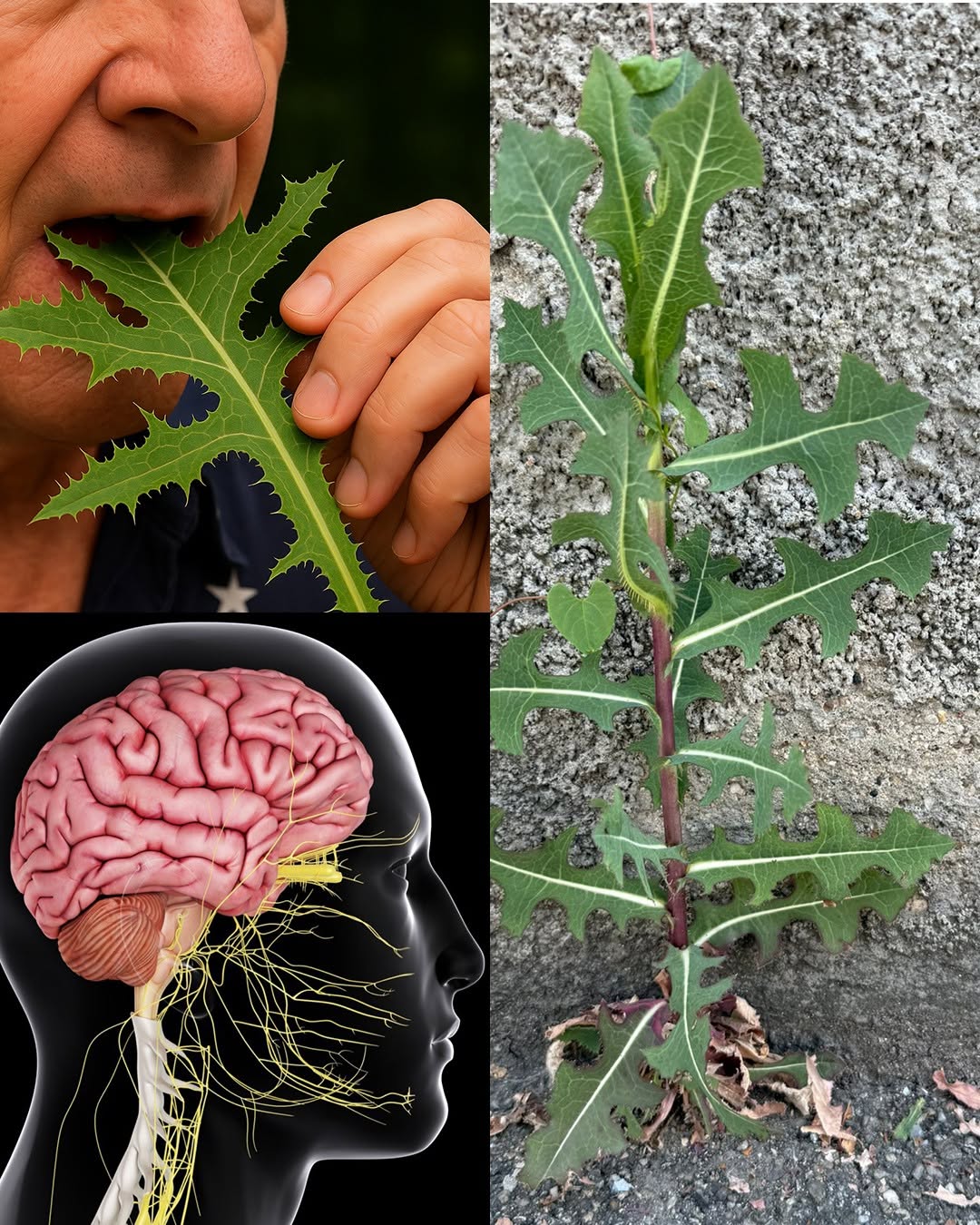
Lactuca serriola, commonly known as prickly lettuce or wild lettuce, grows almost everywhere—fields, roadsides, abandoned lots, and even in home gardens. Most people walk past it without realizing that its young leaves have been consumed traditionally for both nourishment and wellness. Although the mature plant becomes bitter and prickly, the young leaves—especially those harvested early—offer surprising health benefits and valuable nutrients.
What Makes Lactuca serriola Leaves Special?
Prickly lettuce belongs to the same family as cultivated lettuce, but unlike its mild domesticated relatives, it contains unique active compounds such as lactucin, lactucopicrin, vitamins, minerals, and antioxidants. These components contribute to its calming, digestive, and detoxifying properties.




Top Health Benefits of Eating Lactuca serriola Leaves
1. Natural Calming and Relaxation Support
The plant contains mild sedative-like compounds (lactucarium) that can help reduce restlessness, tension, and mild stress when consumed in small, safe amounts. Young leaves eaten raw or lightly steamed have been used traditionally to support relaxation without causing drowsiness.
2. Digestive Health Boost
Wild lettuce leaves contain natural bitters that stimulate digestion. Bitter greens encourage the release of digestive enzymes, support better breakdown of food, and may help reduce bloating after meals.
3. Detoxifying Properties
The leaves act as a gentle liver-supportive food. Traditional herbal practices used prickly lettuce to help the body eliminate waste more efficiently. Its bitters and antioxidants can support the body’s natural detox pathways.
4. Anti-Inflammatory Support
Lactuca serriola contains anti-inflammatory compounds that may ease minor discomfort in muscles and joints. Eating the young leaves regularly can contribute to overall inflammation balance in the body.
5. Rich in Vitamins and Minerals
The leaves contain:
- Vitamin A for vision and skin
- Vitamin C for immunity and collagen
- Vitamin K for blood and bone health
- Minerals like potassium, calcium, and magnesium
These nutrients help support general wellness and energy levels.
6. Supports Healthy Sleep Cycles
Although not a strong sedative, the plant’s natural compounds gently encourage a calmer nervous system. People who consume the leaves (or teas made from them) often report improved sleep quality.
7. May Help Reduce Mild Pain
Traditional use of prickly lettuce includes soothing mild aches. The compounds lactucin and lactucopicrin act as natural analgesics. Eating the leaves provides a lighter, food-level version of these benefits.
8. Antioxidant Protection
The plant contains flavonoids and polyphenols that help protect cells from oxidative stress. This supports:
- slower cellular aging
- healthier skin
- improved resilience against environmental toxins
-
9. A Natural Appetite Regulator
Because the leaves are bitter, they may help reduce cravings for sugar-heavy or processed foods. Bitters help reset taste and support healthier eating patterns.
10. Weight-Friendly Food
The young leaves are:
- low in calories
- high in fiber
- nutrient-dense
This combination makes them useful for maintaining a healthy weight, especially when used as part of salads or blended in smoothies.
11. May Support Immune Function
The leaf’s vitamin C content, combined with natural antioxidants, helps strengthen the body’s everyday immune response.
12. Good for Skin Health
Compounds found in the leaves may support clear, balanced skin. Antioxidants help reduce oxidative stress that contributes to premature aging.
13. Supports Heart Health
Potassium-rich greens like Lactuca serriola help maintain healthy blood pressure levels. The plant’s mild diuretic properties also support healthy fluid balance.
14. Mild Respiratory Support
Some traditional herbalists used prickly lettuce to help open the airways and support easier breathing. Consuming the leaves may offer light respiratory benefits.
15. Helps Maintain Healthy Blood Sugar Levels
Bitter greens can help stabilize blood sugar after meals by slowing the absorption of carbohydrates and improving insulin response.
-
How to Eat Lactuca serriola Leaves Safely
1. Choose Young Leaves
The best leaves are:
- tender
- light green
- not too bitter
- without spines or only very soft ones
Mature leaves are extremely bitter and harder to digest.
2. Eat in Small Quantities
Start slowly. A few leaves added to salads, wraps, or smoothies is ideal.
3. Blanching Reduces Bitterness
Dipping the leaves in hot water for 10–15 seconds removes excess bitterness while keeping nutrients intact.
4. Avoid Overconsumption
While safe in small amounts, eating large quantities may cause:
- digestive discomfort
- nausea (due to bitterness)
Moderation is key.
Who Should Avoid Eating It?
- Pregnant or breastfeeding women (due to the plant’s mild sedative nature)
- Individuals allergic to lettuce or other Asteraceae plants
- Anyone taking sedatives or sleep medications
Always listen to your body and stop consumption if any irritation occurs.
Lactuca serriola may be a common wild plant, but its leaves offer uncommon benefits. When harvested young and eaten in moderation, they provide gentle digestive support, calming properties, antioxidants, and valuable nutrients. For foragers and natural-health enthusiasts, this plant is a hidden gem that transforms a simple wild green into a powerful wellness ally
-
.
Disclaimer
This article is for educational purposes only. Lactuca serriola can have strong effects when concentrated. Eating small amounts of the young leaves is generally considered safe, but individuals with medical conditions or those taking medication should consult a healthcare professional before consuming wild plants.